Field Notes · 14 September 2026 · 6 min read
Patina as a Design Material
Why we design surfaces to deepen, soften, and gather a record of use.
Most specification writing is an attempt to stop time. Sealants, coatings, and protective films are all instruments for holding a surface at the moment of completion. We have spent the last decade writing specifications that do the opposite.
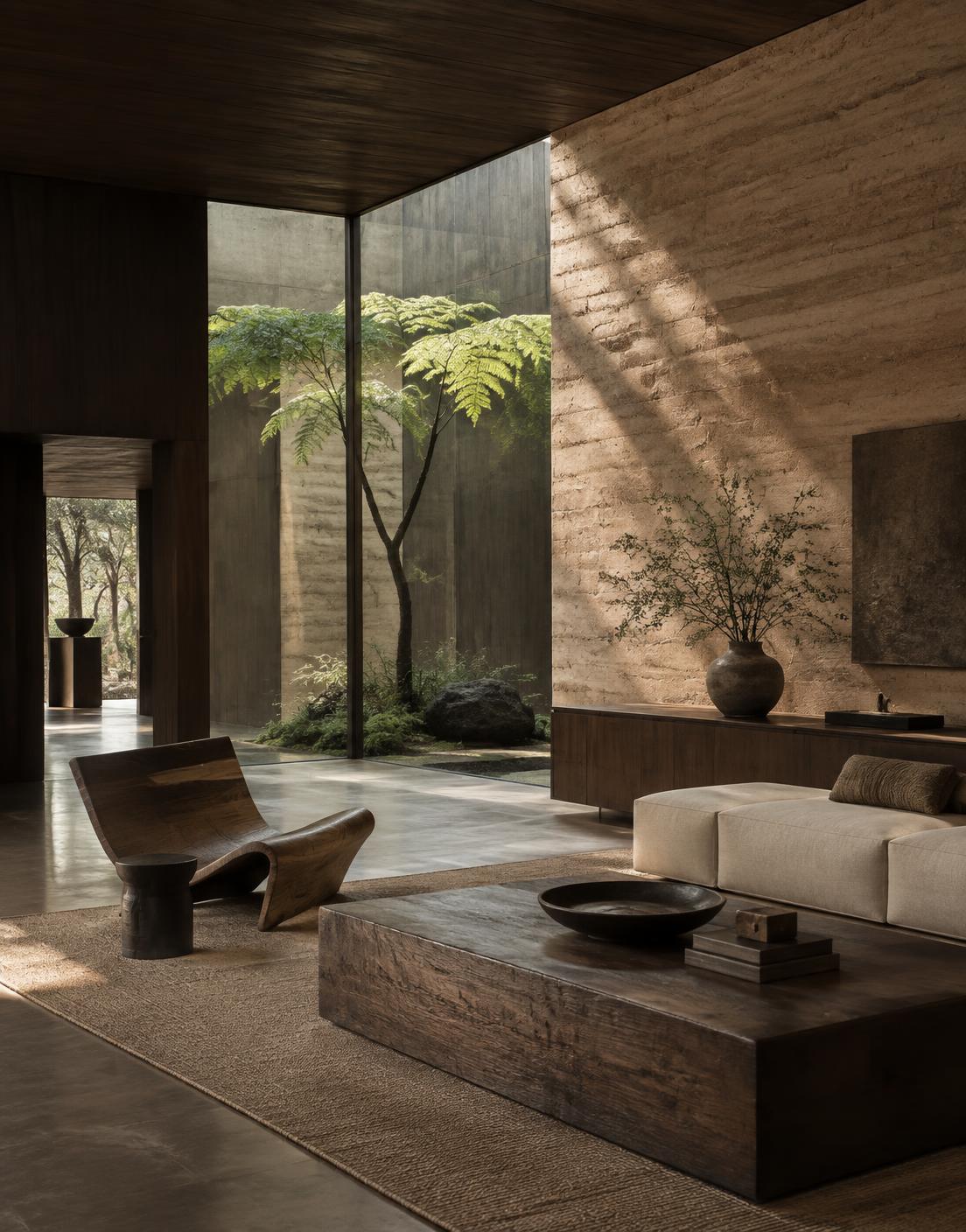
Unsealed oak darkens unevenly where hands rest. Bronze greens first at the drip line. Lime plaster absorbs the smoke of a room. These are not defects to be scheduled out at practical completion; they are the building recording its own use, and they are the single cheapest source of richness available to an architect.
A building that cannot age has only one good day: the day it is photographed.
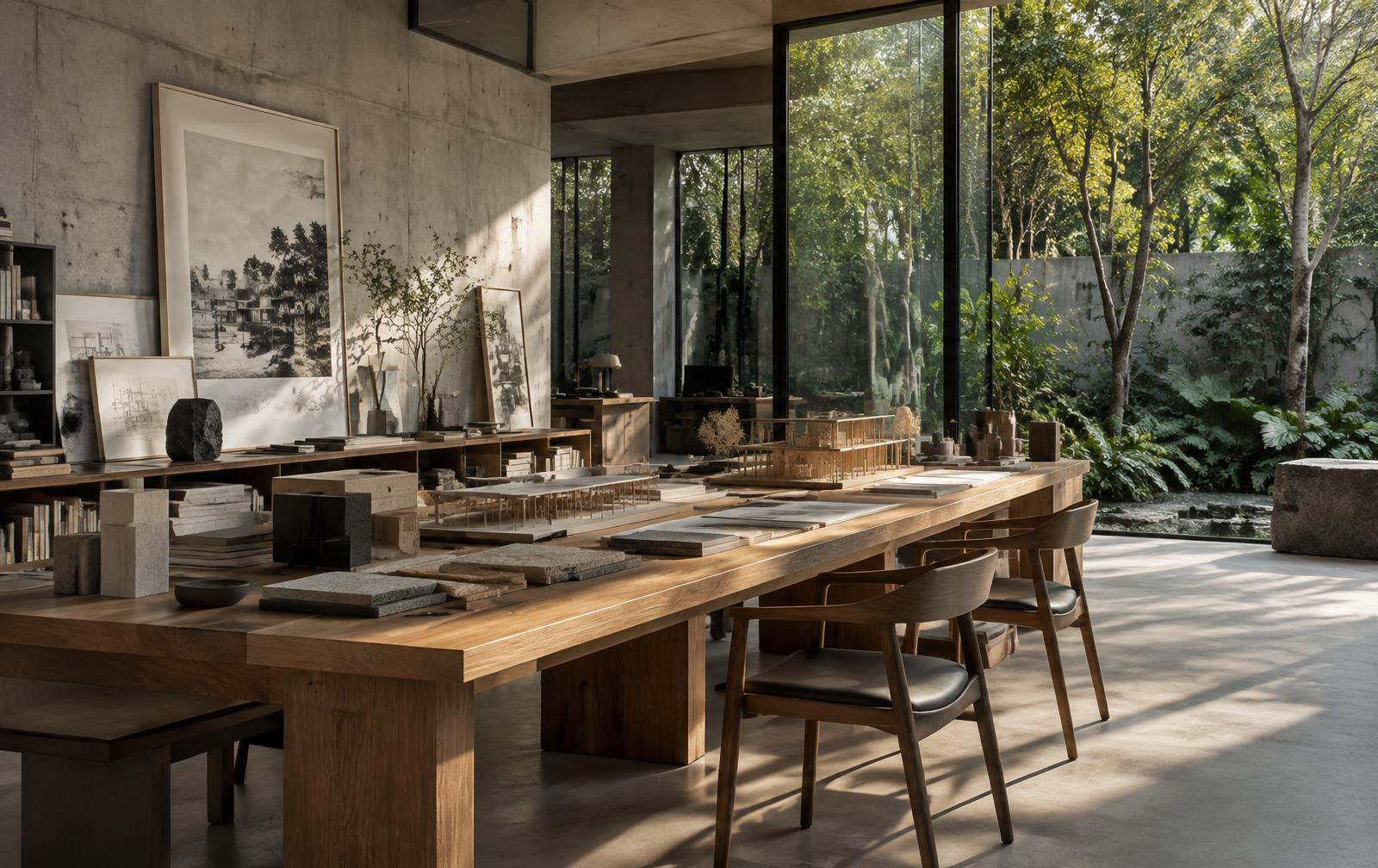
The discipline this requires is in the detail, not the material. A patinating surface needs somewhere for water to go, a junction that tolerates movement, and a client who has been shown physical samples at one, five, and ten years. We keep an ageing rack in the studio garden for exactly this conversation.
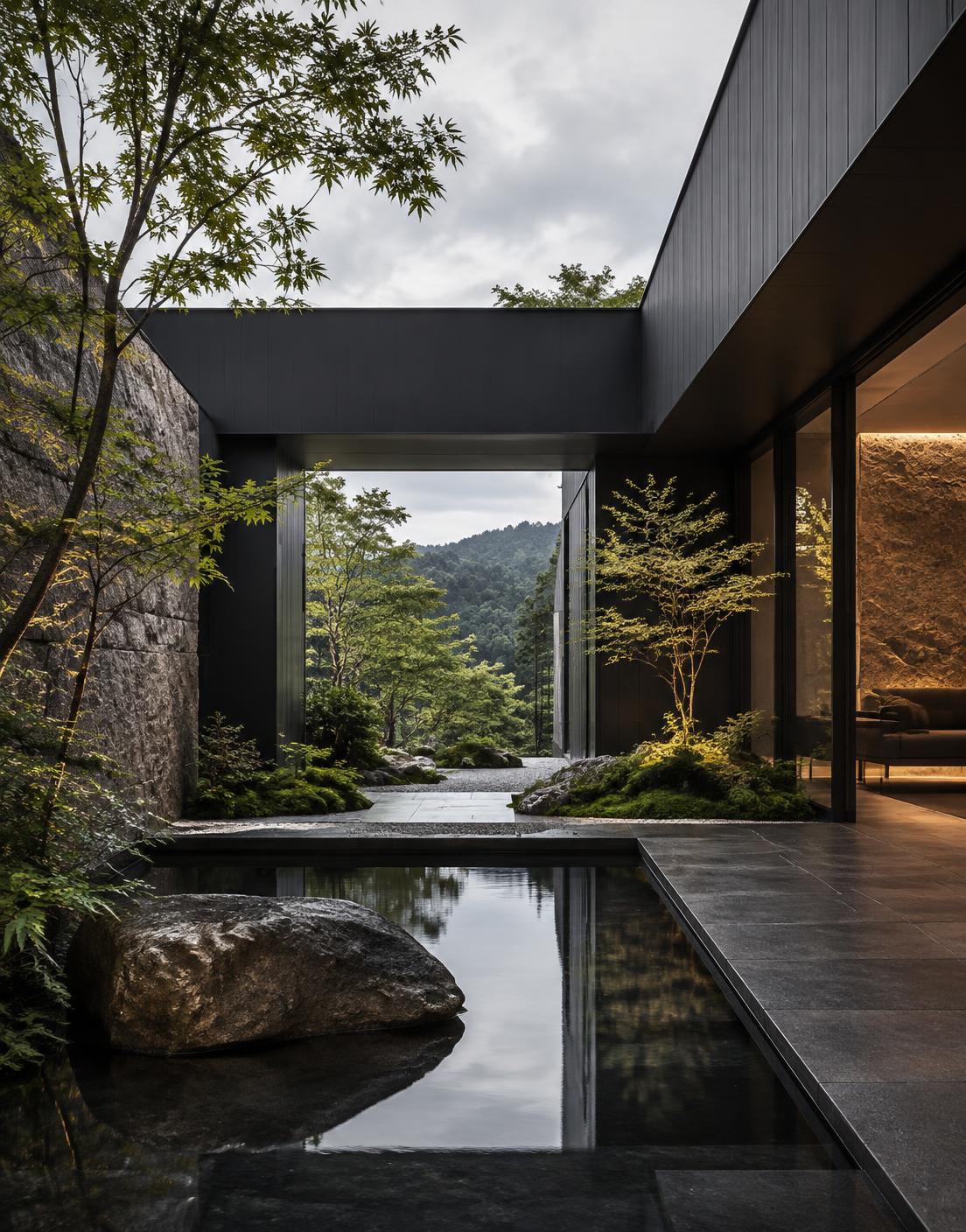
The alternative is what the industry currently produces at scale: buildings that peak on their first afternoon and decline for the rest of their lives.