Material Study · 21 June 2026 · 8 min read
Making With the Ground
Rammed earth, local aggregate, and a slower approach to permanence.
Excavated material leaves most European sites as waste and returns as aggregate in concrete, having travelled several hundred kilometres in both directions. On Rhodium Tower we kept it.
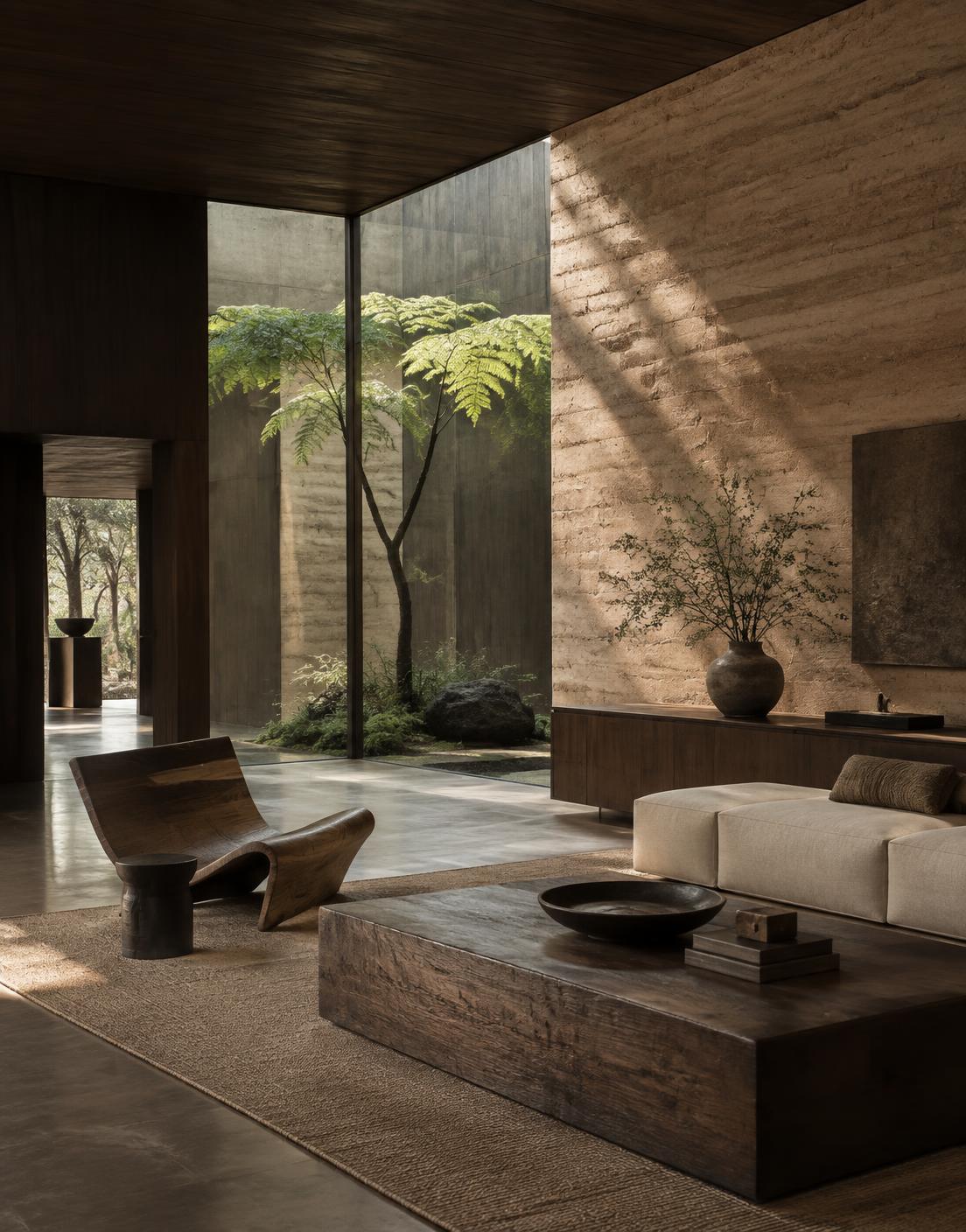
Blended with regional clay and a small lime fraction, the site's own spoil became six hundred millimetres of load-bearing podium wall. The testing programme took four months and the mix design changed eleven times; the carbon saving against a concrete equivalent was sixty-one per cent.
The cheapest low-carbon material on most sites is already underneath the hoarding.
Rammed earth is not a universal answer. It is slow, it is weather-dependent, and it demands a contractor willing to learn. But it produces walls with thermal mass, texture, and an origin that can be pointed to from the front door.
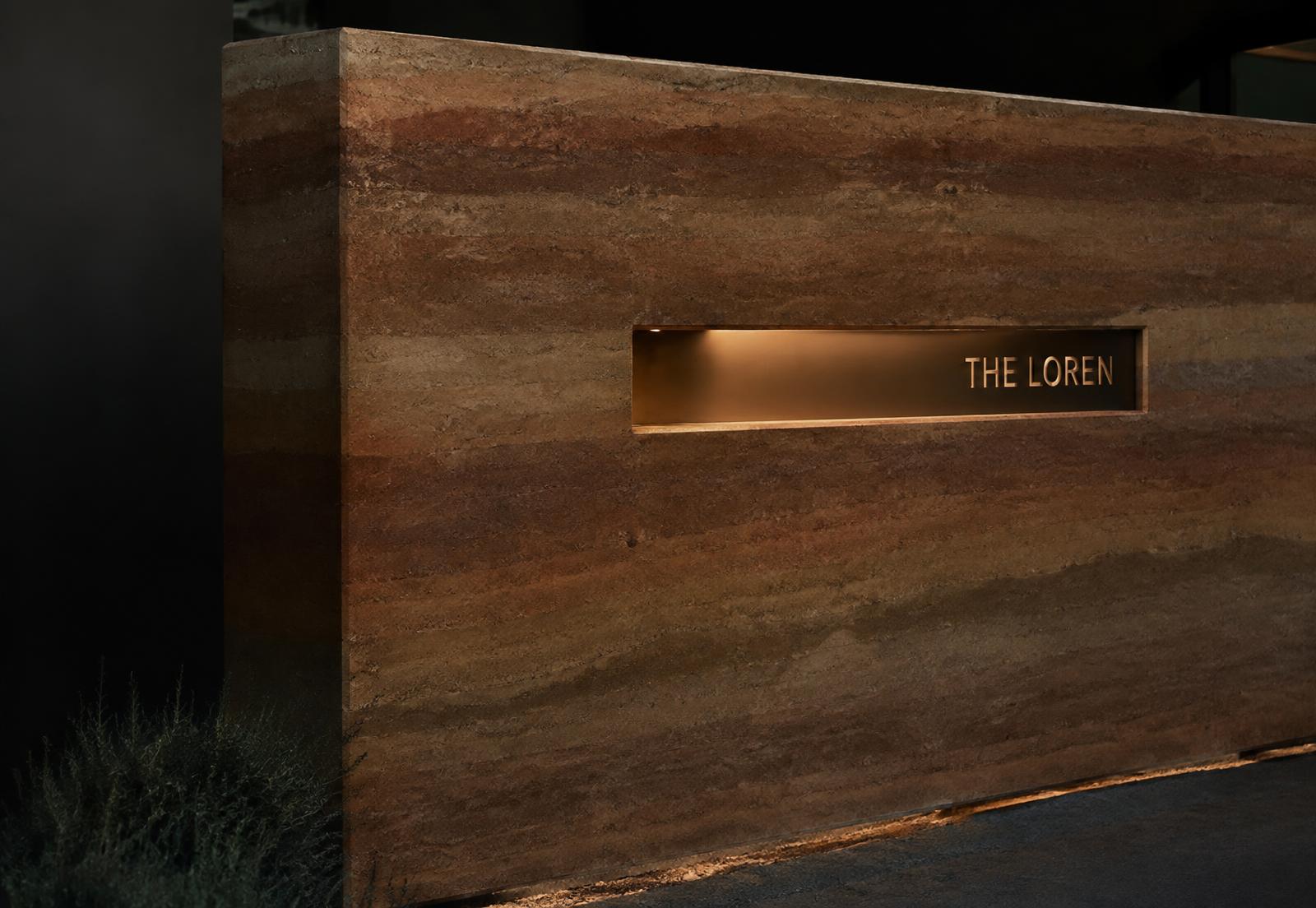
We are now testing the same approach at domestic scale, where the volumes are smaller and the tolerance for a slow programme is often greater.